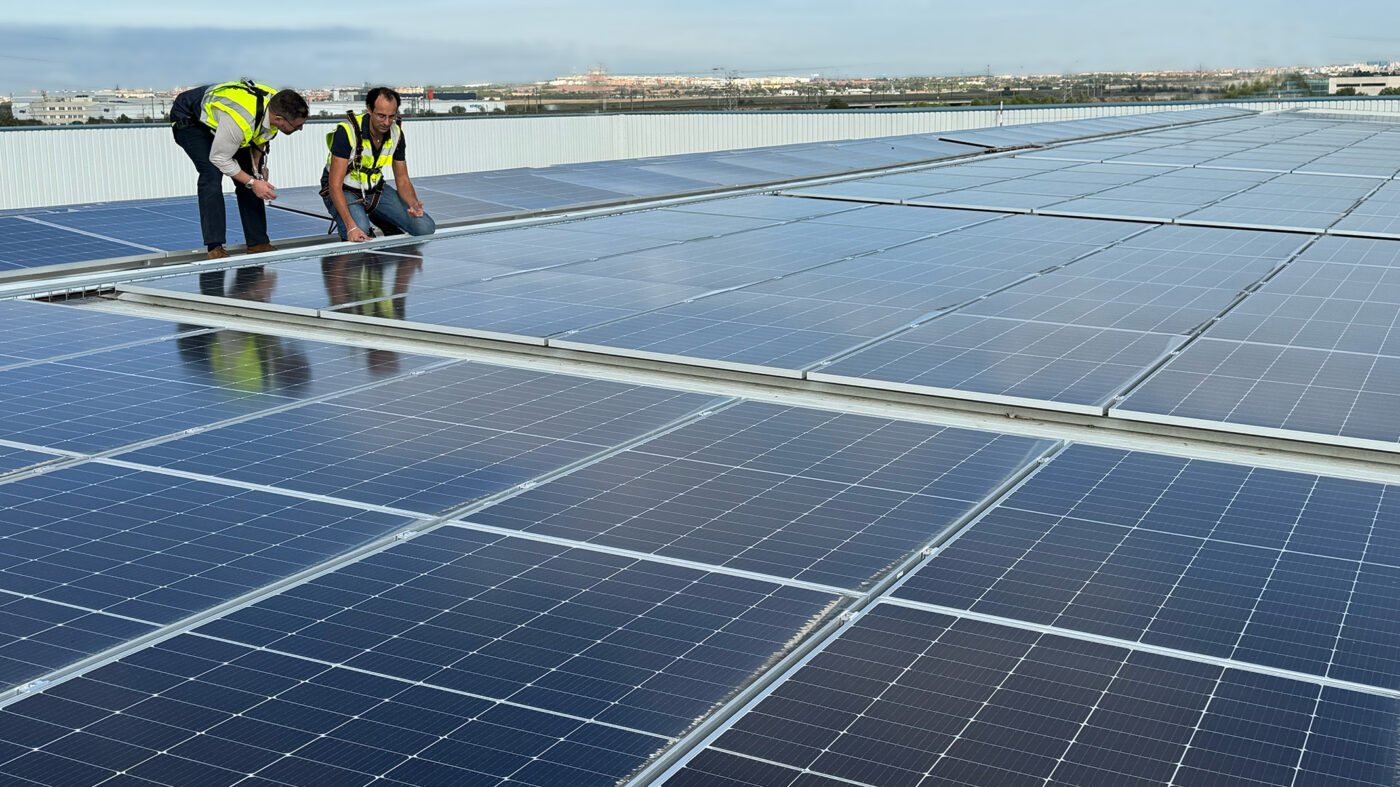
The vast majority of solar photovoltaic (PV) systems in Europe — over 98%, according to the International Renewable Energy Agency (IRENA) — are grid-tied. This means they are directly connected to the public electricity grid and rely on it to function.
When a blackout occurs, these systems automatically shut down. The reason lies in a built-in safety feature called anti-islanding protection. Standard solar inverters require a stable signal from the grid to operate, and when that signal disappears, the system powers off to prevent sending electricity into lines where utility workers may be making repairs.
Grid-tied systems are popular because they’re cost-effective, allow for the sale of excess energy back to the grid, and typically meet regulatory standards. But they offer no protection during outages, leaving users without power just when they need it most.
To maintain power during a blackout, a solar system must be able to operate independently of the grid. This is possible with a hybrid solar setup — one that combines solar panels, batteries, and inverters capable of functioning both on-grid and off-grid.
These systems charge the battery during the day and automatically draw from it when the grid fails, offering a critical layer of energy resilience. While the battery may not power an entire facility for long periods, it can support essential operations and prevent costly disruptions.
“While a battery energy storage system typically is not dimensioned to support an entire industrial operation for hours on end, it can be the difference between a total shutdown and keeping essential processes running,” says Vasco Vieira, Operations and Asset Manager at Bright Sunday.
Adding a Battery Energy Storage System (BESS) to your solar setup unlocks a range of short- and long-term benefits:
These advantages make hybrid systems a smart, future-ready investment for businesses aiming to lower costs while improving energy resilience and sustainability.
Southern Europe has some of the highest solar potential on the continent, and both Spain and Portugal have made significant strides in scaling up renewable generation. However, this rapid growth has also exposed grid stability challenges, especially during high-demand periods or extreme weather.
In Spain, electricity demand surged 20% higher than average during heatwaves in recent years — stressing the grid. Portugal, meanwhile, has seen intermittent voltage issues in rural areas with high solar uptake. Both countries are now actively updating regulations to encourage flexibility and self-consumption, making battery storage an increasingly important part of national energy strategies.
Recent policy developments — including incentives for behind-the-meter storage and simplified permitting for hybrid systems — are laying the groundwork for broader adoption. As a result, the Iberian market is particularly well-positioned to lead Europe in the rollout of resilient, decentralized energy systems.
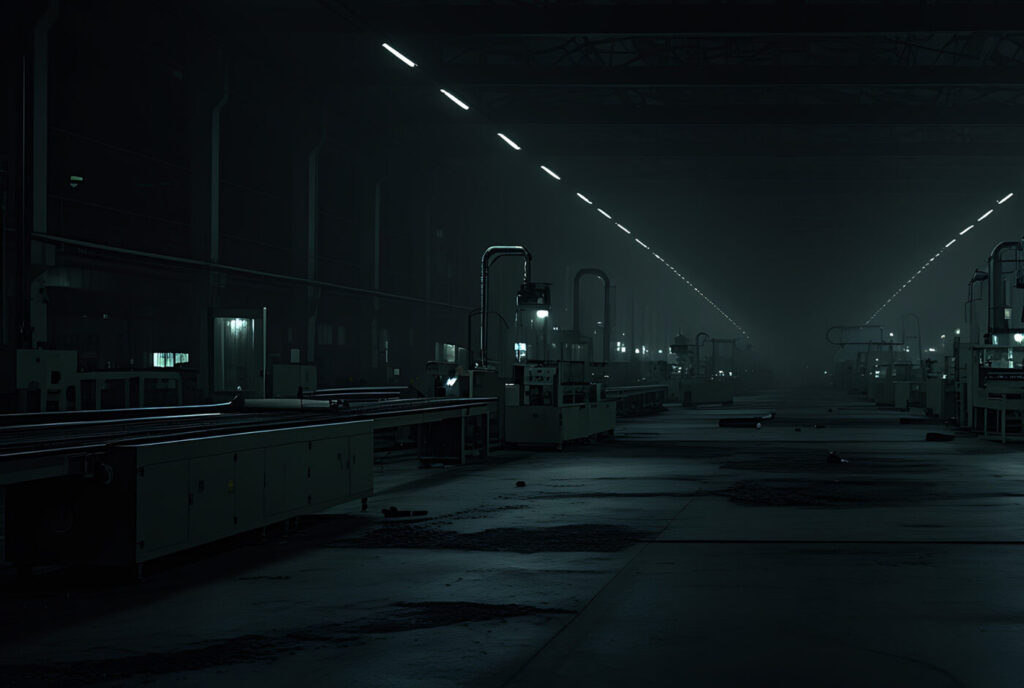
The widespread power outage that hit Spain and Portugal between April 28–29, 2025, shut down transportation systems, data centers, and factories across the region. It was a stark reminder of how vulnerable grid-dependent systems can be, even in well-developed economies.
In contrast, businesses equipped with hybrid solar and battery systems maintained partial operations, protected sensitive equipment, and avoided costly downtime. For companies in mission-critical sectors, resilience is no longer optional — it’s essential.
Grid-tied solar remains a cost-effective solution — but it leaves businesses vulnerable during outages, an increasing risk in today’s era of climate volatility and grid instability. For companies where operational continuity is critical, hybrid solar systems with battery storage offer a reliable, future-proof alternative.
With Bright Sunday’s energy-as-a-service model, businesses can adopt these advanced systems with zero upfront investment and no maintenance burden. Clean, resilient, and cost-stable energy has never been more accessible — especially in high-potential markets like Spain and Portugal, where solar conditions and regulatory support are strongly aligned.
For more information
Vasco Vieria (PT, ES, EN)
vasco.vieria@brightsunday.com
Vasco Vieria LinkedIn
Daniel Nilsson, CSO Spain and Portugal (ES, EN)
We provide custom solar PV system designs for self-consumption under a Power Purchase Agreement (PPA). Using our design request form, we create an initial estimate based on your energy needs.
This is a preliminary assessment. Depending on site conditions and financial feasibility, we may not proceed. Final pricing and conditions will be detailed in a formal agreement if the project moves forward.
Interested in solar for your business? Fill out the form to get started